
Inside Northern Michigan’s Ski-Driven Economy: A Real Estate Perspective
Michigan ranks second in the United States for the number of ski resorts.
At first glance, that sounds like a tourism statistic.
In reality, it’s all about real estate.
Ski resorts are one sector that create their own economic ecosystem — a circular flow of tourism, employment, development, housing demand, and reinvestment. The following explains why they are such an important part of the Northern Michigan economy.
Recreation is rarely just recreation. In strong regional markets, it becomes infrastructure.
Northern Michigan is a clear example of this principle in action.
Ski Resorts as Economic Anchors
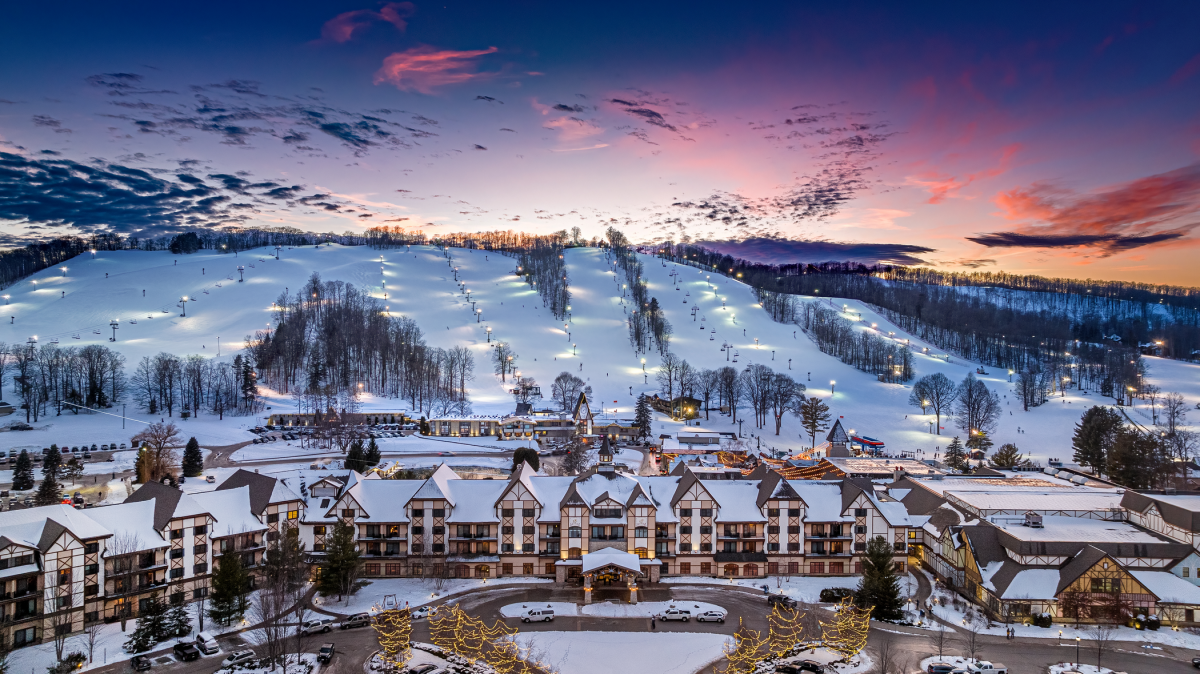
Resorts like Boyne Mountain and Schuss Mountain are more than winter destinations. They are multi-season economic drivers offering golf courses, spas, conferences, weddings, mountain biking, zip lines, waterparks, and large-scale event hosting.
This diversity matters.
It extends the economic cycle beyond winter and keeps capital circulating through hospitality, dining, retail, and service industries year-round. When a resort successfully transitions from seasonal to multi-seasonal, surrounding real estate often strengthens alongside it.
Residential Impact: Beyond the Vacation Home
Ski proximity consistently attracts multiple buyer profiles — and each one influences the housing market differently.
Lifestyle buyers seeking second homes
Buyers drawn to ski areas are often motivated by experience rather than necessity. They are purchasing proximity to recreation, tradition, and memory-building. That emotional driver tends to create pricing resilience compared to purely need-based housing markets.
Families relocating for quality of life
Ski resorts create a concentrated environment of outdoor engagement — not only skiing, but snowboarding, tubing, cross-country trails, skating, and winter festivals. This encourages family time, youth participation in winter sports, and an active lifestyle that extends into hiking, biking, and lake life in warmer seasons. The result is a year-round family culture that attracts permanent relocation.
Remote workers choosing location flexibility
As geographic flexibility increases, professionals are choosing environments that align with lifestyle values. A ski-driven community offers scenery, activity, and community engagement that urban markets often lack — without sacrificing connectivity.
Investors focused on short-term rental performance
Ski markets naturally produce peak rental seasons, but strong resorts that operate year-round help flatten seasonality. Properties near established destinations like Boyne or Schuss often benefit from diversified booking calendars tied to weddings, conferences, fall tourism, and summer recreation.
It’s not just about snow.
It’s about concentrated, repeatable desirability.
Commercial & Investment Implications
Ski-driven markets are specialty markets. They cannot be artificially replicated elsewhere because they are tied to geography, climate, and accumulated culture. That uniqueness creates durability.
Here’s how that plays out commercially:
Hospitality expansion
Lodging, boutique hotels, and event venues expand to support tourism flow. Resorts like Boyne and Schuss host conferences and destination events, which create midweek demand — something many seasonal markets struggle to achieve.
Retail corridors
Specialty retail, equipment shops, restaurants, and experiential businesses cluster around ski destinations. Because consumer traffic is activity-driven, businesses must continually evolve — preventing stagnation and encouraging innovation.
Mixed-use redevelopment
As traffic stabilizes, communities often reinvest in walkable village concepts, combining residential, retail, and dining in proximity to recreation infrastructure.
Workforce housing development
A consistent flow of seasonal and permanent employees creates housing demand that must be addressed strategically. This often opens opportunities for well-positioned multi-family or housing developments.
What makes ski markets particularly strong is their rhythm.
Winter creates anticipation. Spring resets. Summer expands activity. Fall builds momentum again.
That cyclical anticipation prevents consumer boredom and discourages business complacency. Each season renews demand.
What This Means for Buyers & Investors
If you are evaluating property near Northern Michigan ski destinations, ask:
Is the resort successfully multi-seasonal?
What is the long-term development vision surrounding it?
How does workforce housing impact supply?
Is demand concentrated in one demographic or diversified?
Are infrastructure investments ongoing?
Ski infrastructure is not just recreation. It is economic architecture.
Final Perspective
Michigan’s #2 ranking is more than a headline.
It highlights a structural advantage in Northern Michigan’s economy — one built around lifestyle, seasonality, and geographic uniqueness.
Snow on the slopes often signals movement in the market.
And understanding that ecosystem is where strategy begins.
Considering Property Near Northern Michigan’s Ski Destinations?
Share this article

Sierra Looney-Derby, REALTOR®
Commercial & Residential Real Estate Advisor | Northern Michigan & Statewide Michigan
Sierra works with business owners, investors, and homeowners across Michigan, helping them evaluate opportunities with strategic insight and long-term vision. With a background in complex renovation oversight and market analysis, she approaches every property with a focus on value, positioning, and informed decision-making.